Get in touch to send in cinephile news and discoveries. To keep up with our latest features, sign up for the Weekly Edit newsletter and follow us @mubinotebook on X and Instagram.
NEWS
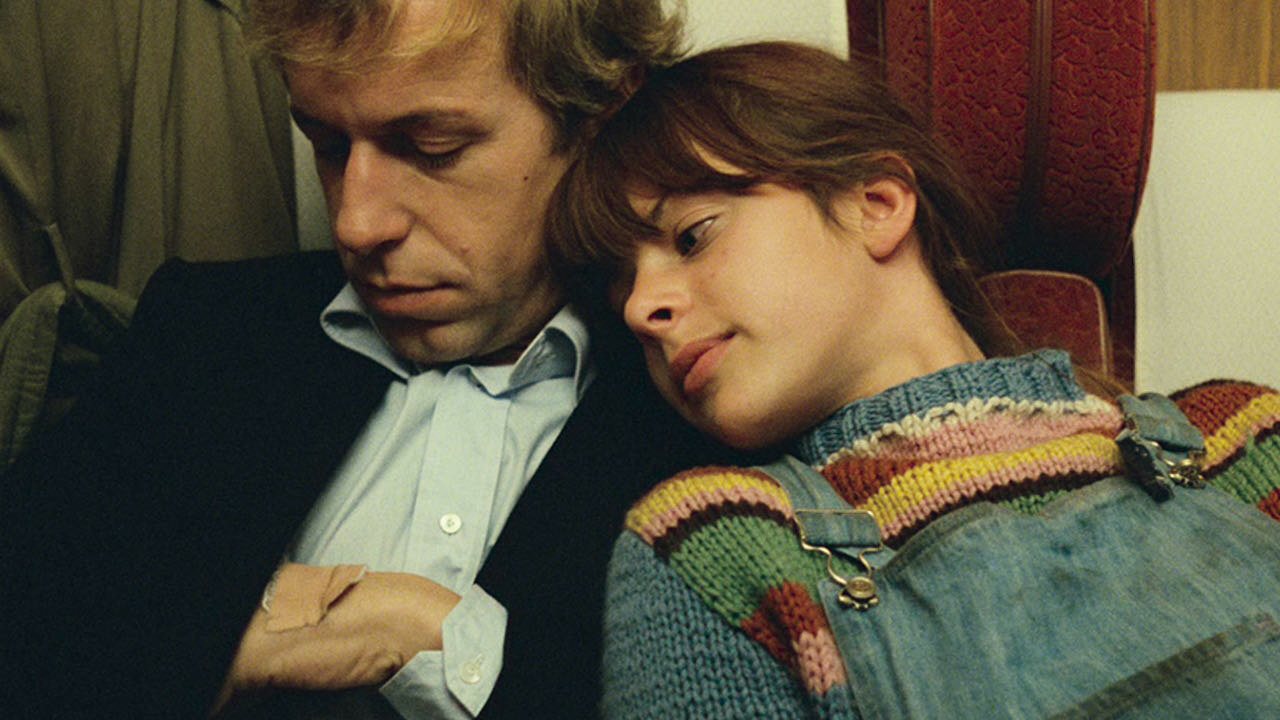
The Wrong Move (Wim Wenders, 1975)
- The US Department of Justice stated it will not challenge Paramount’s acquisition of Warner Bros. In its lengthy statement, it argues that the merger between the two studios doesn’t constitute a monopoly and that the outcome will increase competition, instead of limiting it. This decision arrives on the heels of the UK’s Competition and Markets Authority declaring an investigation into the merger and Paramount’s top lawyer claiming that Netflix is trying to “poison regulators and other stakeholders” against the deal.
- In a $22 billion deal, the Fox Corporation is set to acquire the tech company Roku. The transaction will ensure that Fox will own Tubi and the Roku Channel, the top two free, ad-supported streamers, and will make them “the third-largest player in U.S. television by share of viewing.”
- The Tribeca Festival denounced social media influencer Lizzy Savetsky and actor Elon Gold for making jokes about canine sexual abuse, a reference to allegations that Palestinians were sexually abused by dogs in Israeli prisons. “Sexual violence and human suffering should never be mocked or minimized,” said a festival spokesperson, while Savetsky deflected in an Instagram post, claiming that “humor and the arts are tools to be used to address real issues.”
- Wim Wenders announced he would withdraw his film The Wrong Move (1975) from circulation, which includes a topless scene with a 13-year-old Nastassja Kinski. In an interview with Süddeutsche Zeitung, Kinski claimed that she had been trying to get Wenders to edit the film for over 15 years, saying that it was her “first film, he was my first director and he didn’t protect me.” Though Wenders had previously said the film was a product of its time, he has reversed this position and unreservedly apologized to Kinski.
DEVELOPING
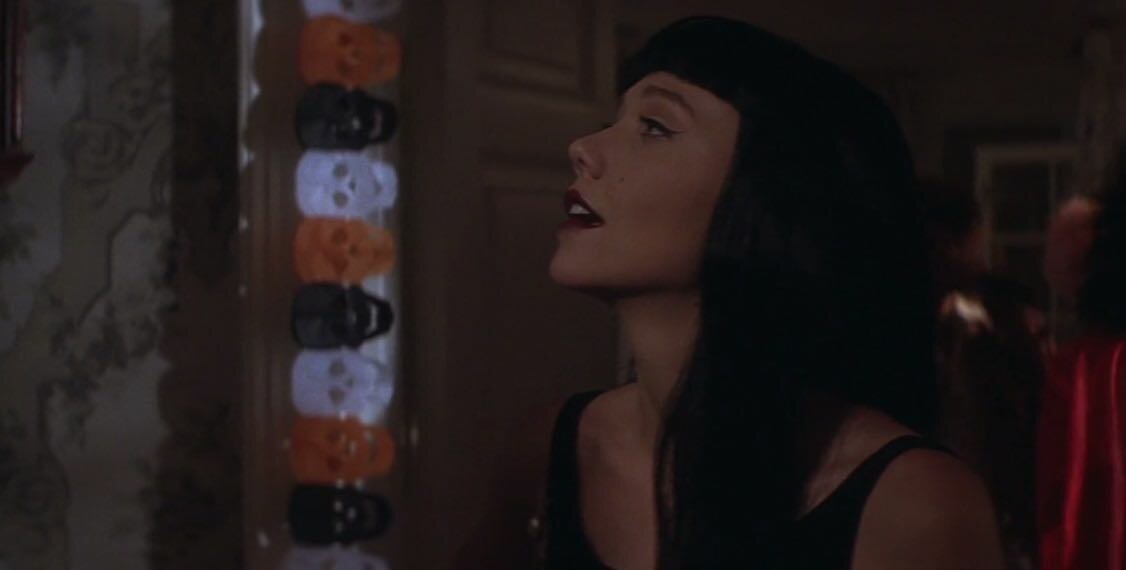
Donnie Darko (Richard Kelly, 2001)
- Maggie Gyllenhaal is set to produce and direct an adaptation of Rachel Kushner’s 2024 novel Creation Lake, an espionage thriller about a freelance spy hired to undermine a radical farming commune in rural France.
REMEMBERING
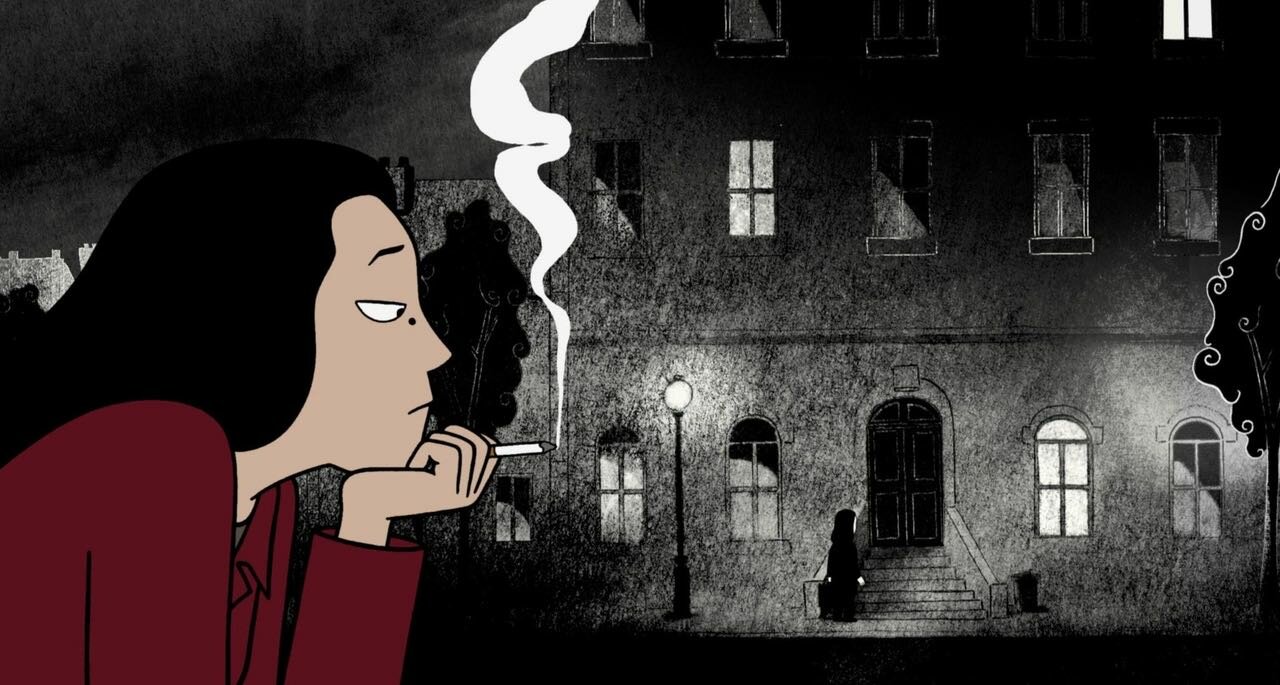
Persepolis (Marjane Satrapi & Vincent Paronnaud, 2007)
- Marjane Satrapi has died at 56. The French-Iranian artist was best known for her autobiographical graphic novels Persepolis (2000–03), which chronicles her young life living in Tehran and Vienna in the aftermath of the Islamic Revolution. Though critically acclaimed, the novel faced intermittent censorship in the United States for its graphic content. Satrapi later codirected an animated adaptation of Persepolis (2007) that co-won the Jury Prize at the 2007 Cannes Film Festival and was nominated for an Oscar for Best Animated Feature, making her the first woman to be nominated for the award. She went on to codirect Chicken with Plums (2011), another adaptation of her graphic novel by the same name, as well as the live-action English-language black comedy The Voices (2014) and the Marie Curie biopic Radioactive (2019). Politically outspoken throughout her career, Satrapi was a vocal supporter of the Woman, Life, Freedom movement in Iran, making it the focus of her final graphic novel, a collection of works by other activists and artists. In 2025, she refused the Legion of Honour, the highest honor in her adopted country of France, because of their hypocritical visa policy, claiming in an open letter addressed to the Minister of Culture she couldn’t “continue seeing the children of Iranian oligarchs come to spend their holidays in France… while at the same time young dissidents have difficulty in obtaining a tourist visa to come to see what the country of the Enlightenment and human rights looks like.”
RECOMMENDED READING
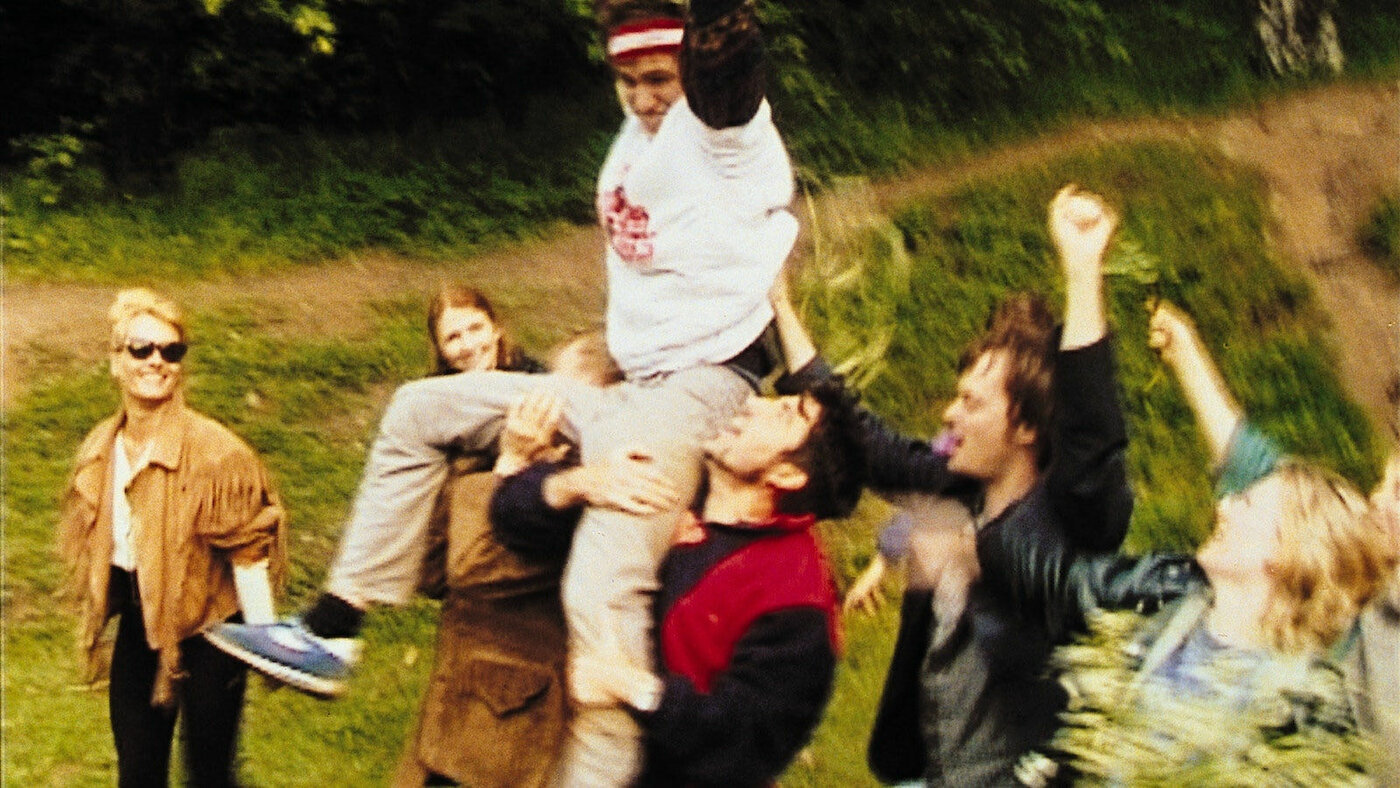
The Idiots (Lars von Trier, 1998)
- “His movies understand that anything could happen to a kid, so almost everything does—divorce, dinosaurs, dinosaurs during a divorce, assault, abandonment, adulthood. I’ve always thought about that moment in Close Encounters [of the Third Kind (1977)] when a son sits at the dinner table and weeps as he watches his father tearfully play with his food; the upside-downness of what he’s witnessing embarrasses him, but it’s also breaking his heart. Spielberg has always known that his movies are attempts to understand his boyhood and his parents, to try to heal them through fiction and illuminate parts of himself.” For The New York Times Magazine, Wesley Morris profiles Steven Spielberg and explores the influence his films have had on America and himself.
- “The same conditions that enabled filmmakers to move through neglected spaces and produce intimate records of everyday life also contributed to the fragility of the films’ survival after the movement’s dissolution. Without institutional preservation structures, many films became scattered across private collections or disappeared altogether. Today, the ongoing recovery and presentation of Cinema-ye Azad mirrors the ethos of the movement itself: improvised, collective, and sustained largely through independent labor.” For Documentary Magazine, Arta Barzanji, Shaghayegh Raoufi, and Hadi Alipanah examine Cinema-ye Azad, an Iranian underground filmmaking movement whose nonfiction practices ran parallel to the work underwritten by the state.
- “The Idiots (1998) is about transgression. I know people who laughed until they cried while they watched it, and others who hate it and consider it infantile, its provocations hollow. As for me, I laughed initially, until the laughter stuck in my throat and my discomfort grew greater and greater. The bourgeois boundaries which the characters transgress against by playing idiots are my own boundaries… And at the same time I felt, and have always felt, a powerful urge to regress, to let go of everything and just fall. Just cry and cry, shout and scream, punch and kick, vanish into a total refusal to face the consequences. Or into utter passivity.” For The Paris Review, Karl Ove Knausgaard writes about Lars von Trier’s The Idiots and Edvard Munch’s The Sick Child (1885–1886), two works bonded by provocation and controversy.
- “Early’s talent for blending ostensibly clashing moods and styles—in one moment, the film zings the internet-enabled abuse of words like ‘storytelling’ and the quackery of mental-health apps; in the next, we see the startling image of Maddie, her eyes bloodshot, lifting her head from the toilet bowl she has just puked into—is exemplified by the appealing incongruity of the main character herself.” For 4Columns, Melissa Anderson reviews John Early’s debut feature Maddie’s Secret (2025), focusing on the filmmaker’s uncontainable enthusiasms and desire to share his pop cultural obsessions.
RECOMMENDED EVENTS
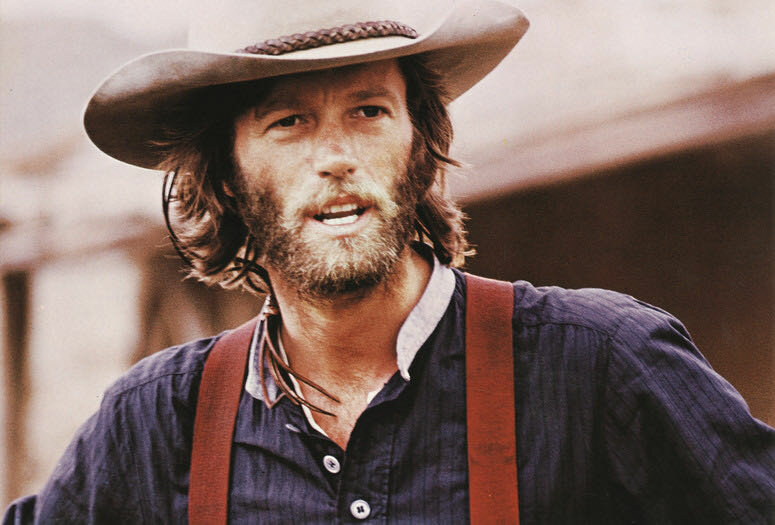
The Hired Hand (Peter Fonda, 1971)
- Lübeck, through June 28: The Overbeck-Gesellschaft presents Fatal Attraction, “a sensual yet conceptual exploration of light” by Zishi Han in his first institutional solo exhibition in Germany, featuring a new film created for the show that extends his moth series.
- New York, through July 3: The Museum of Modern Art presents Universal Westerns, a series that captures the sweep of “the most prolific western studio” by drawing on the restoration work of Universal’s archive.
- London, through August 2: The South Bank Centre presents Indelible Black Marks, Kulpreet Singh’s first UK solo exhibition, drawing upon his life as a farmer to “choreograph the ritual of stubble-burning” through an installation of film and a five-panel abstract painting.
- Marseilles, through Sep 27: Triangle-Astérides presents Like Clockwork, Mona Benyamin’s first solo exhibition, which features a new installation alongside four earlier works that explore the “astonishing absurdity” of Palestinian life and the chronic traumatic stress of life under occupation.
RECOMMENDED VIEWING
- The Film Stage presents an exclusive trailer for Rob Tregenza’s latest feature FAST (2026), about a woman from the American South who returns to her rural home while exploring her desire to become an F1 driver, which will debut at New York’s Museum of Modern Art in the fall.
- Sony Pictures Entertainment presents a trailer for The Social Reckoning (2026), Aaron Sorkin’s “companion piece” to The Social Network (2010), which chronicles the 2021 Facebook leak of damning internal documents that demonstrates the company’s awareness of its platform’s harmful societal impact.
- Magnolia Pictures and Magnet Releasing present a trailer for Gregg Araki’s I Want Your Sex (2026) about a provocative artist (Olivia Wilde) who uses her young employee (Cooper Hoffman) as a sexual muse.
- Janus Films presents a trailer for the 4K restoration of Luchino Visconti’s White Nights (1957), an adaptation of Fyodor Dostoevsky’s 1848 short story by the same name, starring Maria Schell and Marcello Mastroianni.
RECENTLY ON NOTEBOOK
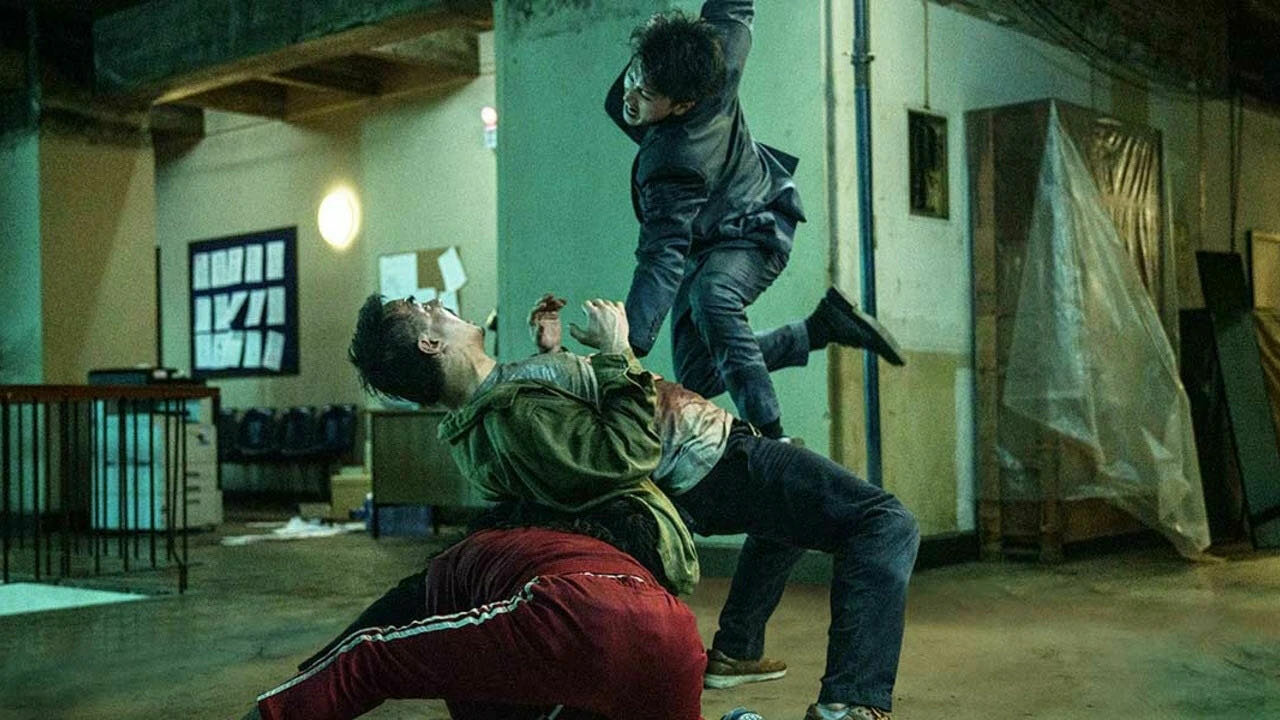
The Furious (Kenji Tanigaki, 2025)
- “As fists fly and blood geysers, [Kensuke] Sonomura directs the action using forceful filmmaking that is reminiscent of anime and Hong Kong-style action. Weapons and limbs jut toward the camera; low-angle framing makes characters tower like kaiju. Rapid cutting mashes together these stylized compositions to create a whiplash-inducing graphic aesthetic, like manga panels set into motion, and the hyperactive camera rockets around, jerking with blows and impacts. Whooshing sound effects top it all off, evoking comic-book onomatopoeia.” For Notebook’s The Action Scene column, Jonah Jeng unpacks the fight choreography of action director Kensuke Sonomura, whose work is on display in The Furious (2025).
- “I remember asking Director Kurosawa a few times about how to interpret the character I was performing, which is a detective whose wife is ill, and who has a lot of stress in his life. He would not give me an answer. It was always: ‘I’m sorry, I myself don’t understand it.’...I think he wanted us actors to interpret what was written, and to show him what it was about. After that, I would come to understand that that was his way of shooting movies.” James Balmont interviews Japanese actor Kōji Yakusho about his illustrious career, which includes performances in Tampopo (1985), Cure (1997), and Perfect Days (2023).
- “Given everything known about Leigh’s working methods, Hortense must be regarded as the creation of both the director and Marianne Jean-Baptiste, the RADA-trained actress who first imagined and invented her and whose muted yet emotionally variegated performance does not function as nor conform to our expectations of a typical Mike Leigh performance. Hortense’s blackness discernibly sets her apart from the film’s other main characters; as Jean-Baptiste notes, “She’s the subject [of the film] but is in the subtext” of all that is conveyed and concealed among its other denizens, her birth family.” Matthew Eng explores Marianne Jean-Baptiste’s performance in Mike Leigh’s Secrets and Lies (1996) and how she embodies the tension between wanting to know but not wanting to be known.
- “Cinema began by someone experimenting with a series of projected images to create the illusion of reality. There’s so much history there that it’s impossible to feel that you are original, and the path you are on as a filmmaker is the sum total of all the emotions and experiences you’ve had as a viewer. Being yourself doesn’t mean that you have to exclude everybody else. You have all these wonderful directors that made movies that you really love. Are you influenced by them? Of course. But is your filmmaking really affected by them? I’m not sure.” Matthew Thrift interviews the Hong Kong producer and director Tsui Hark, whose work is receiving belated notice via anniversary restorations and physical media.
WISH LIST

Unknown to the City (Cecilia Mangini, 1958)
- Italian Female Filmmakers in the Sixties and Seventies, an illustrated volume by Fondazione In Between Art Film that explores the cinematic and video output by Italian artists from two crucial decades, is available to purchase from Lenz.