
Sunrise: A Song of Two Humans (F.W. Murnau, 1927).
It’s a badly kept secret that Il Cinema Ritrovato is as much a culinary pilgrimage as a cinematic one, seducing throngs of cinephiles to the landlocked northern Italian city of Bologna with a sprawling showcase of restorations and new discoveries devoted to resurrecting and expanding film history. Between this 40th edition’s offerings—which included programs dedicated to Josephine Baker, Luchino Visconti, and Barbara Stanwyck; and new restorations of films by masters as diverse as Roger Corman, Ritwik Ghatak, and Raoul Walsh—we humble servants of the seventh art replenished ourselves on Bologna’s gastronomic bounties. This year, a major European heatwave drove temperatures of an already notoriously steamy city even higher, but not even 38-degree weather in questionably ventilated spaces could slow our consumption of tagliatelle al ragù, mortadella sandwiches, and tortellini in brodo.
On the bright side, the heat was conducive to ordering shameless amounts of gelato, a dessert popular among summer film-festivalgoers in Cannes and Venice, but also one whose modern history is intertwined with Bologna such that the city exerts a particularly powerful claim on the sweet treat. Distinct from ice cream, due to its silky elastic texture, lower butterfat content, and slower churning process, gelato is generally considered an Italian creation, with Florence claiming to be its birthplace. But like the questions about canon-making and the genealogy of film history fueling Il Cinema Ritrovato, gelato’s origins are slippery: The Florentines may have come up with the idea to add milk and eggs to a sugary iced mixture, but Muslim Sicilians invented sorbet well before that; and mentions of gelato-like desserts in the Bible and in the history of ancient China throw these stakes further into question. Bologna, at any rate, is the site of gelato’s modern upheaval. In the late 1940s, amid Italy’s postwar economic boom, the Italian manufacturer Carpigiani established its headquarters on the outskirts of the city and revolutionized the gelato game with new technologies designed to standardize production and reproduce its artisanal methods on a larger scale. Bologna and its surrounding region is also home to Carpigiani’s “gelato university”—a trade school for future generations of gelateers—as well as a Gelato Museum housing artifacts and vintage gelato machines that trace the evolution of the business and craft. Carpigiani’s school opened in 2003, a little over a decade after the foundation of the city’s now-industry-leading film restoration lab, L’Immagine Ritrovata, in 1992.
Curiously, the spike in celluloid tourism at film events in recent years has paralleled Bologna’s rise as a foodie destination. The privileging of film prints over digital exhibition has an unusual amount in common with the gourmand’s reverence for texture and subtlety of flavor, and the (arguably elusive) quest for authenticity. No wonder there’s a major overlap between rep rats and bon vivants, a hybrid community surely enchanted by the sheer quantity of Bologna’s offerings. The city’s surplus of gelaterias (approximately 350) is as comparably overwhelming as Ritrovato’s slate of over 500 films, though Bologna natives (and some savvy out-of-town regulars) know to single out top-tier shops including Cremeria Cavour, Il Gelatauro, and Cremeria Santo Stefano, the latter of which has received a coveted Tre Coni Award (aka the gelato equivalent of a Michelin star). As I am but a mere mortal, my eyes proved far bigger than my stomach for both scoops and films, but I still managed to consume a preternatural amount of both, structuring my days around double features and double-flavor cones. For this year’s edition, I decided to honor these twin pillars of the Bologna experience by mapping out some of my favorite films’ flavor profiles via their corresponding gelatos, from the classic and comforting to the funky acquired tastes.
Sunrise: A Song of Two Humans (F. W. Murnau, 1927) + Pistachio
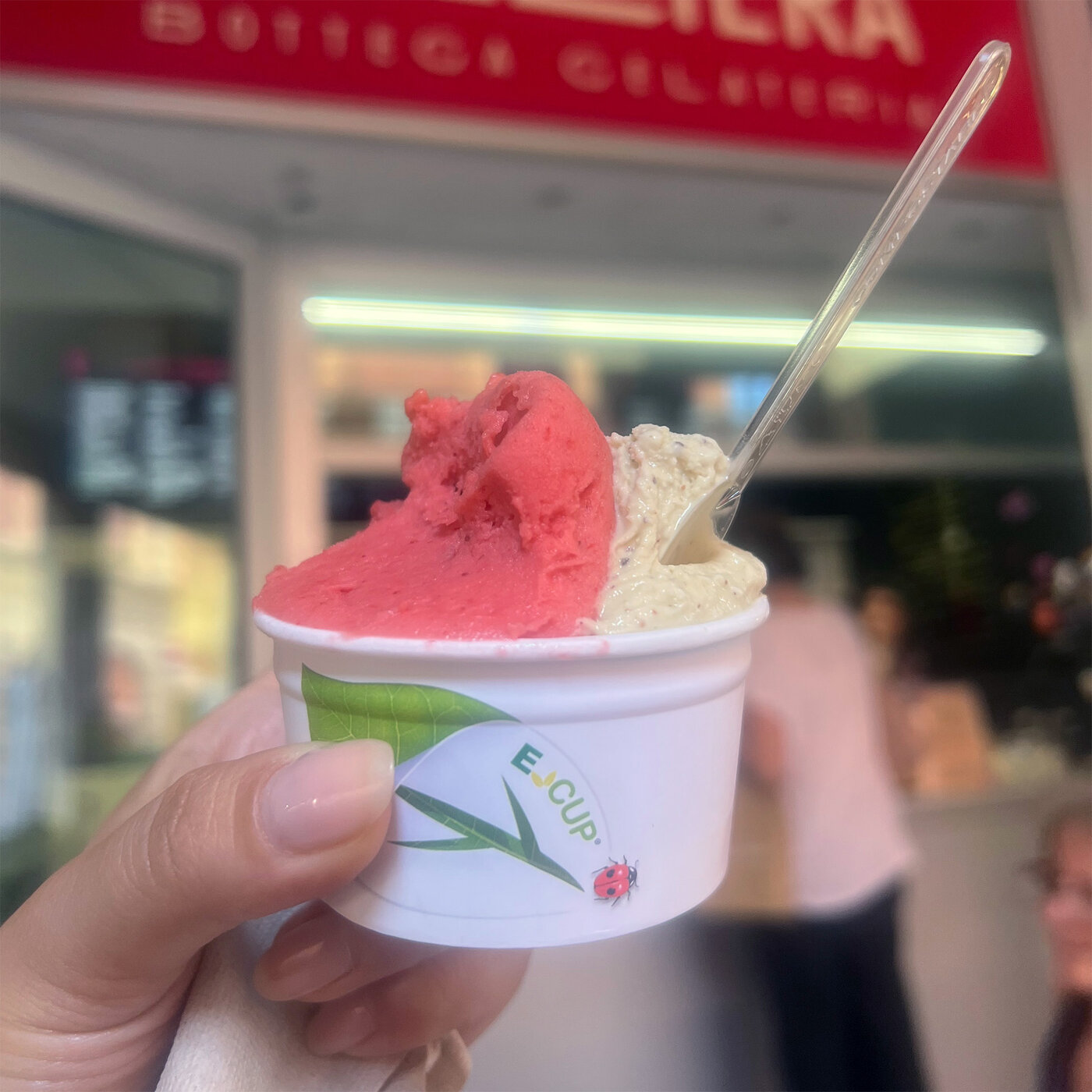
Strawberry sorbet (left) and pistachio gelato (right).
Pistachio is a pillar of Italy’s gastronomic tradition, in part because it flourishes in the hot, semi-arid climate you’d find in southern regions like Sicily. In recent years, it’s become a flagship Italian gelato flavor and a choice benchmark for measuring the quality of a gelateria. A balanced blend of savory nuttiness and voluptuous cream, it’s a crowdpleaser that never tires and the base of countless variations. My first night in Bologna kicked off on such a signature note, with a packed screening of a new restoration of Sunrise: A Song of Two Humans on the Piazza Maggiore. Accompanied by a live performance by the Orchestra del Teatro Comunale di Bologna (which played a newly composed score by Timothy Brock), the film is a hodgepodge of moods and timeless themes, shifting between carnivalesque comedy and heart-splitting melodrama as it unfolds a dark story of marital reconciliation. “Universal” is a rightfully contested word, but with its dreamy balance of studio artifice and psychological realism, channeled across city and country backdrops, Sunrise makes a compelling case for that term’s relevance. Like the go-to green scoop, it plays marvelously no matter the audience.
Red Shift (Gunvor Nelson, 1984) + Parmigiano Reggiano with drops of balsamic vinegar
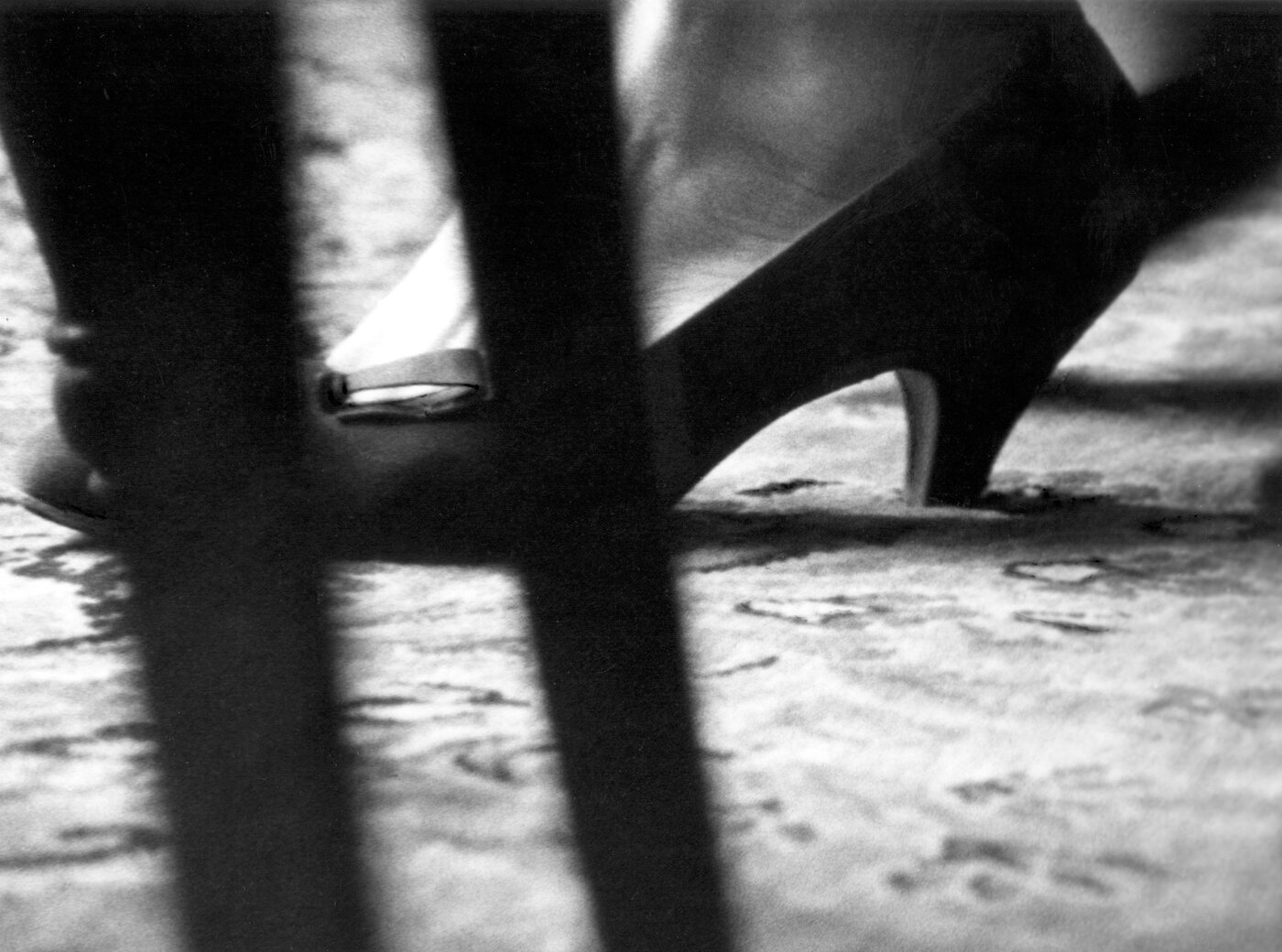
Red Shift (Gunvor Nelson, 1984).
The rise of second-wave feminism in the 1970s saw the movies—from Hollywood dramas to educational documentaries—centering the domestic lives of women like never before. You might not immediately recognize it from the dizzyingly elliptical nature of her approach, but the Swedish filmmaker Gunvor Nelson made a number of singular contributions to this movement with deeply personal experimental works anchored to the lives of her family members. A scoop of Parmesan gelato drizzled with vinegar might not at first sound like the most appetizing treat, but its chilled, buttery umami, cut through with bright drops of acidity, offers an excitingly strange kind of sweetness not unlike Nelson’s potentially alienating approach to the domestic dramas of her own life. In her (most) narrative film, Red Shift, Nelson captures three generations of women (Nelson, her daughter Oona, and her mother Carin Grundel) switching roles, straddling the past and the present, through a series of carefully staged encounters both surreal and mundane.
A Dessert for Constance (Sarah Maldoror, 1981) + Crema Bolognese

Crema Bolognese (top left) and Parmigiano Reggiano (bottom right).
Before the late seventeenth century, frozen treats like gelato were considered privileges reserved for the aristocratic classes. Then, in 1686, the Sicilian chef Procopio Cutò opened the soon-legendary Café Procope in Paris’s 6th arrondissement, bringing gelato to a broader urban clientele for what may have been the first time in European history. Made for French TV, A Dessert for Constance pokes fun at the legacy of French haute cuisine, a different sort of “tradition of quality” with several iconic dishes that rely heavily on des oeufs—think Hollandaise sauce, crème brûlée, soufflés, and omelets, not to mention the abundance of egg yolks used in French-style ice cream. Directed by the Guadeloupean-French director Sarah Maldorar, this comedy with a radical heart, a deceptively lighthearted entry in Maldorar’s uncompromising body of work, follows a duo of Senegalese streetsweepers in Paris desperate to raise money for their sick roommate’s trip back to Africa. With a nineteenth-century cookbook salvaged from the trash as their only resource, the two begin training for a televised quiz show dedicated to French gastronomy. A cone of crema Bolognese—an egg custard variation that’s sweet but never cloying—comes to mind, especially since the flavor’s milky goodness, with its notes of citrus and velvety vanilla, carries a delicate complexity. Likewise, this brisk and pleasurable film carefully folds in a whole discourse about French colonialism, opening up questions about which forms of knowledge are preserved or discarded.
Easy Living (Mitchell Leisen, 1937) + Lemon and thyme sorbet

Easy Living (Mitchell Leisen, 1937).
One of this year’s most popular series was devoted to the films of Mitchell Leisen, a Paramount stalwart during the thirties and forties whose output plummeted in the fifties partly as a consequence of his not-so-private queer lifestyle. Often downplayed as a mere artisan (his beginnings as a set and costume designer for directors like Cecil B. DeMille contributed to this evaluation), Leisen specialized in romantic dramas and screwballs—and the Preston Sturges-scripted comedy Easy Living is one of his finest. A New York-set, pratfall-heavy romcom in which Jean Arthur’s working-class gal becomes a kind of proto-influencer after a sable fur coat falls into her lap from the heavens (er, the balcony of a bank tycoon) and is then mistaken as the banker’s mistress, the film carries the tart, refreshing delights of a humble fruit sorbet, but with a twist. Unlike the rat-a-tat slapsticks of his contemporaries, Leisen was known to take more time with his gags, his laxer comic rhythms allowing his characters—and their chemistries—to brew and deepen their flavors.
Trailer for Dante’s Paradise (Radu Jude, 2026) + Dubai chocolate
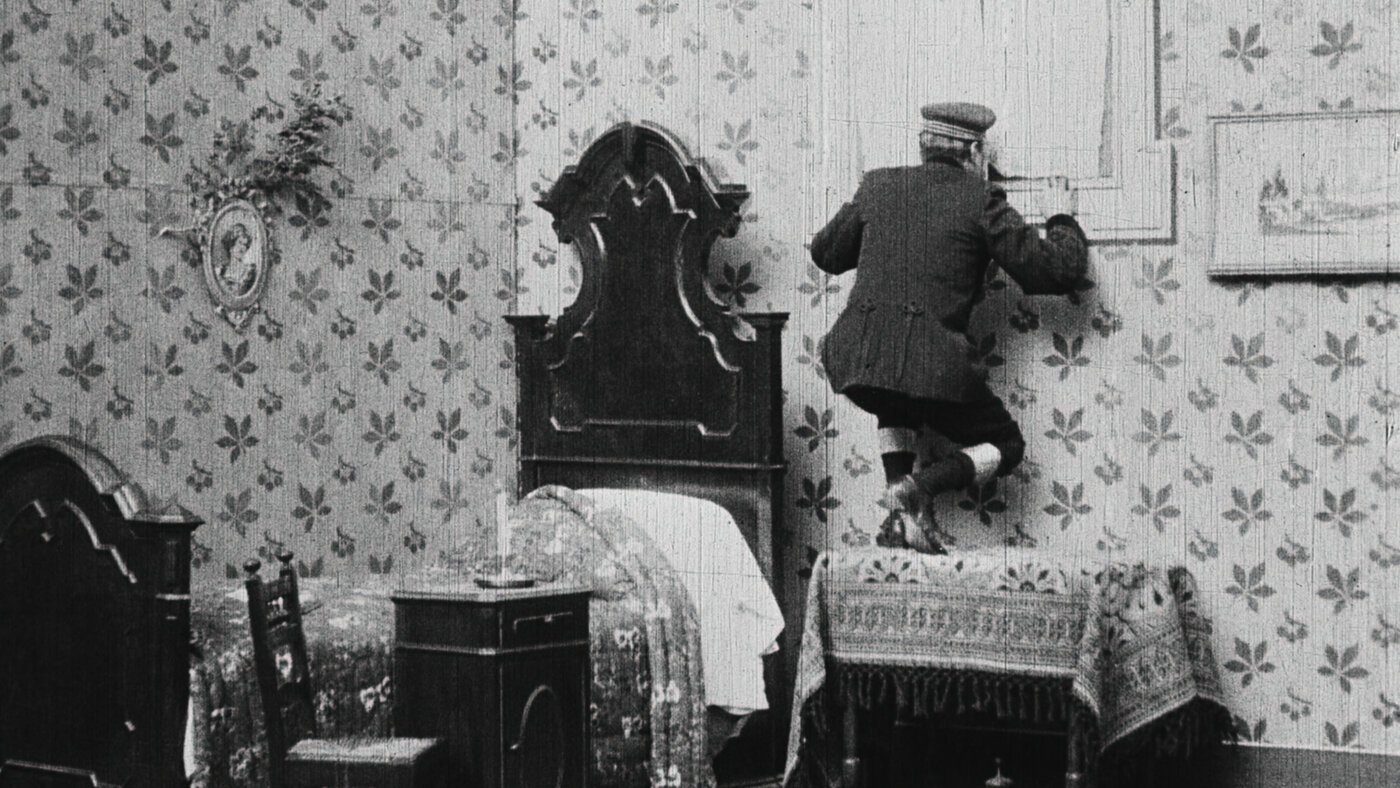
Trailer for Dante’s Paradise (Radu Jude, 2026).
When the National Museum of Cinema in Turin commissioned Radu Jude to make a short film from whatever appealed to him within its film archives, naturally he chose its collection of vintage porn reels. Shown as part of an 11 a.m. program of provocations (including A Private Collection, a 1973 short by Walerian Borowczyk featuring several sequences that are definitely illegal in several countries), Trailer for Dante’s Paradise is in some ways exactly what you’d expect: eyefuls of orgies and oral, penis, and penetration, all lovingly stitched together and culminating in a cascade of money shots. Meanwhile, an AI-generated voice recites lines from Dante’s The Divine Comedy, calling attention to the manufactured nature of pornography’s sex acts and its oddly spiritual side. The film’s onslaught of images of writhing, leaking bodies eventually numbed me, if not triggered a kind of ego-death—kind of like a bite-sized version of the Marquis de Sade’s 120 Days of Sodom, or the overwhelming bite of gooey fudge nestled into my cup of Dubai chocolate gelato. The short’s shameless excess could find no better match than with the decadent mélange of filo pastry and nutty-tahini cream that is the candy of the moment, a twenty-first-century taste of post-capitalist extravagance, a gleeful corruption of the classic pistachio—in much the same way that Jude implodes Murnau’s modernism into a profane hall of mirrors.
Weighed But Found Wanting (Lino Brocka, 1974) + Salted caramel
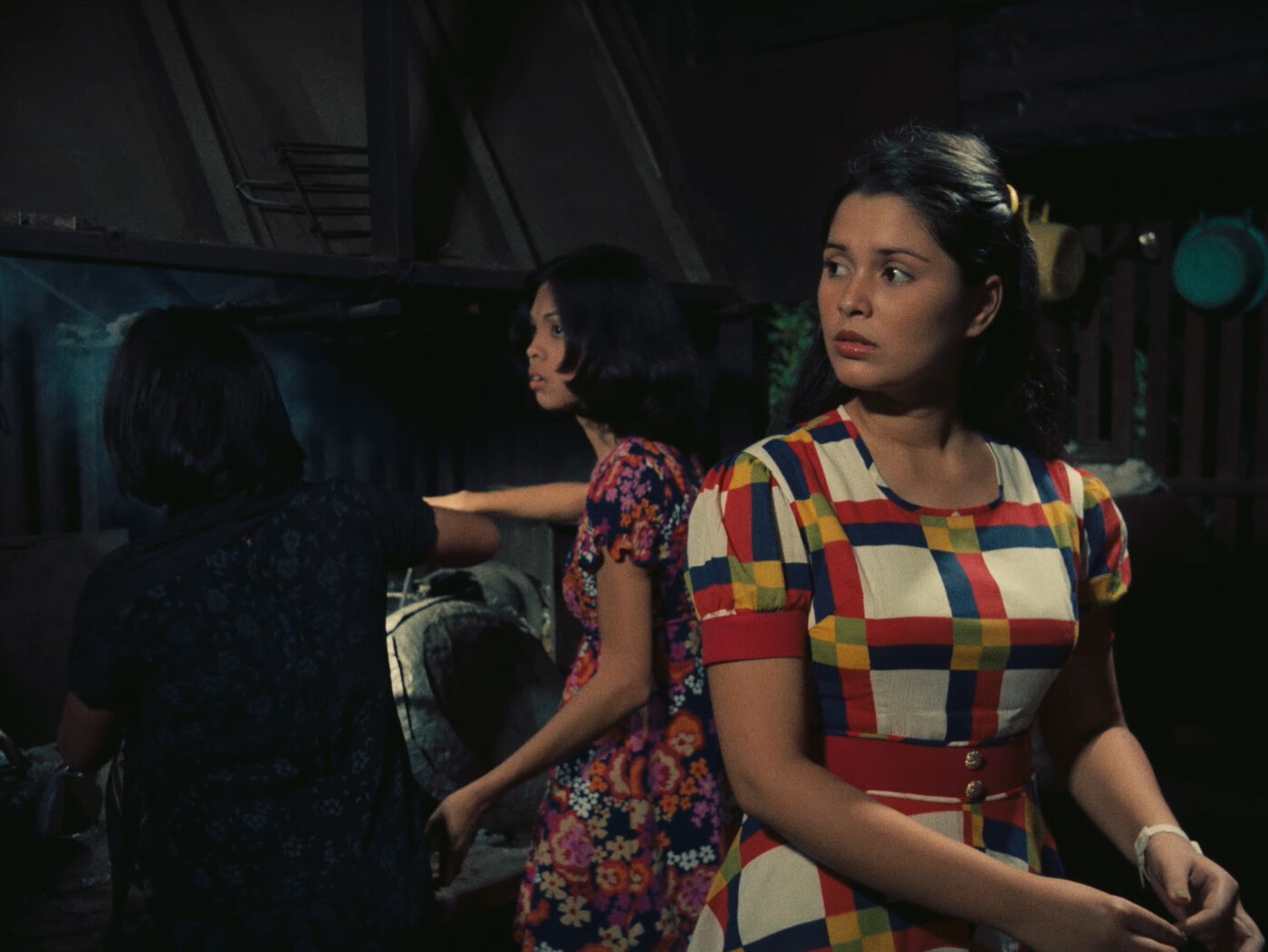
Weighed But Found Wanting (Lino Brocka, 1974).
Before Manila in the Claws of Light (1975) and Insiang (1976), two masterworks that preempted the quietly controlled style that would define his later films, Lino Brocka let it all hang loose with this salacious work of street poetry. Opening with a screaming peasant woman undergoing a violent home abortion, this Dostoevskian coming-of-age film is about a rich kid who grows a conscience after befriending the same woman, now homeless and suffering from a debilitating mental illness several years after the traumatic event. This relationship, as well as the one he develops with the woman’s leprosy-stricken partner, opens his eyes to the hypocrisies of Nueva Ecija, the village community where Brocka himself grew up. The maverick filmmaker somehow renders this microcosm of Filipino society in all its ugly brutality without resorting to sensationalism. Thick with moral outrage, its social critique both reminiscent of pleasurable midcentury Hollywood melodramas and the bitter European varieties of neorealism, Weighed But Found Wanting is my lurid caramel sprinkled with sea salt.